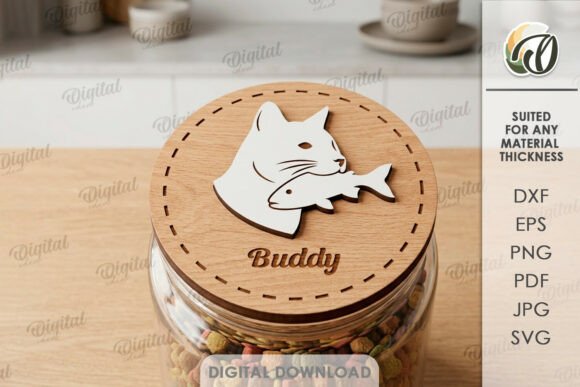
3D Pet Treats Jar Lid Laser Cut: A Smart Digital Solution for Custom Storage
If you are looking to add a personalized touch to your pet care routine, the 3D Pet Treats Jar Lid Laser Cut design offers a creative and practical solution. This digital asset is designed for individuals who enjoy crafting, DIY home decor, or simply want to keep their furry friends’ snacks organized in style. Whether you are a seasoned woodworker with a laser cutter or a beginner exploring the world of digital fabrication, this file provides the foundation for a functional and adorable project.
However, before you proceed with your purchase and start cutting, it is crucial to understand exactly what you are buying. Misunderstandings about digital products can lead to frustration, wasted time, and unexpected costs. This guide aims to clarify the specifics of this product, highlight common pitfalls, and help you make an informed decision that aligns with your skills and expectations.
Understanding the Product: What You Actually Receive
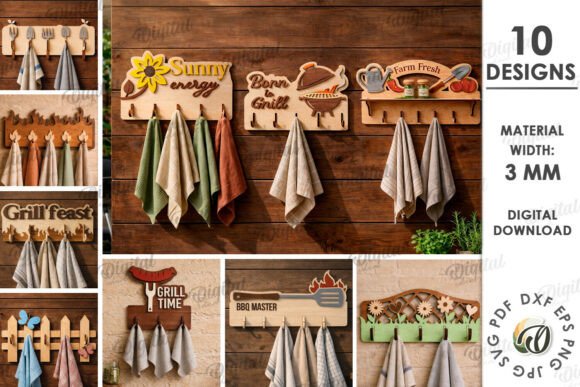
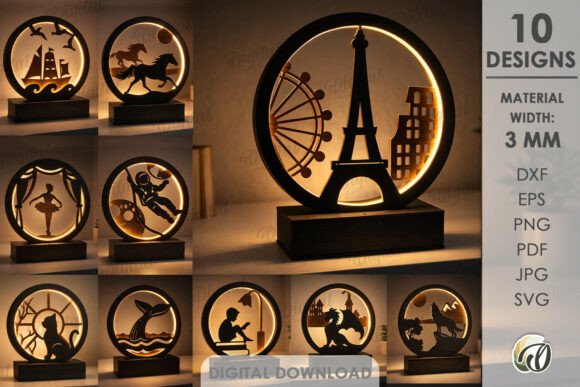
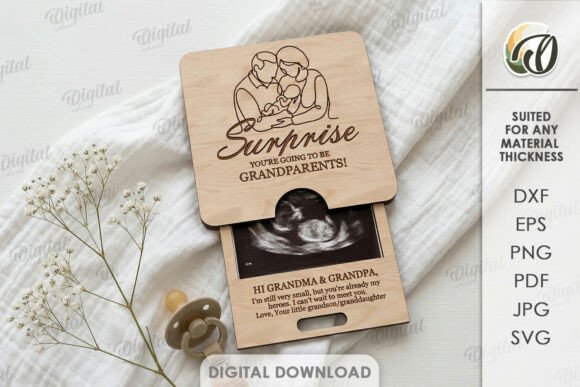
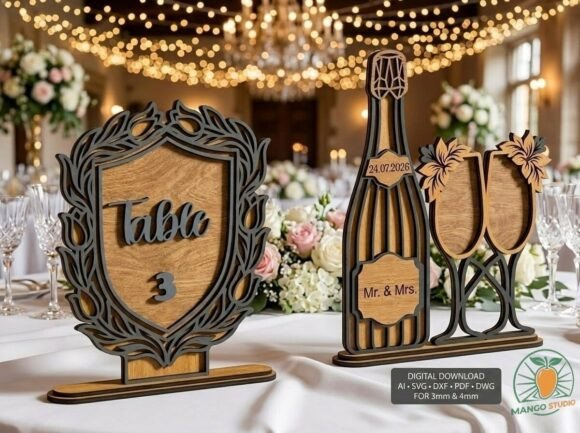
The most important thing to remember is that this is a digital download. No physical jar lid, no wooden piece, and no packaging will be shipped to your address. The photos displayed in the listing are intended solely for inspiration to show you the potential end result. Once your purchase is complete, you will receive a zip folder containing the design files. These files are provided in multiple formats to ensure compatibility with various software and hardware:
- SVG: Ideal for vector editing software like Adobe Illustrator or Inkscape, perfect for scaling without losing quality.
- DXF: A standard format widely supported by laser cutting machines and CAD programs.
- EPS: Another vector format useful for professional graphic design workflows.
- PDF: Useful for viewing the design at scale or for printing reference guides.
- JPEG and PNG: Raster image formats that provide visual previews but are not suitable for direct laser cutting due to pixelation.
This variety of formats ensures that whether you are using a CO2 laser, a fiber laser, or a CNC router, you have the appropriate file structure to get the job done. However, having the right file is only half the battle; knowing how to prepare it is equally important.
Common Mistakes to Avoid When Using Laser Cut Files
Many beginners rush into the cutting process without properly evaluating their setup or the design requirements. Here are some critical errors that can compromise the quality of your 3D Pet Treats Jar Lid Laser Cut project.
Ignoring Material Thickness and Kerf
One of the most overlooked details in laser cutting is kerf, which is the width of the material removed by the laser beam during cutting. If your design relies on interlocking parts or precise fits, failing to account for kerf can result in pieces that are too loose or too tight. Additionally, the thickness of your material (e.g., 3mm acrylic vs. 6mm plywood) must match the dimensions specified in the design file. Cutting a design meant for thin material with thick stock can result in incomplete cuts or burnt edges.
Better Approach: Always test cut a small section of your design on scrap material before committing to the final piece. Adjust your machine’s power and speed settings based on the specific material you are using. Consult your laser cutter’s manual for recommended settings for different woods and plastics.
Neglecting File Preparation and Scaling
Another frequent mistake is importing the file directly into cutting software without checking its dimensions. Designers often create files in arbitrary units (like inches or millimeters), but if your machine requires a specific coordinate system or size, you may end up with a jar lid that is far too small or impossibly large for your container.
Better Approach: Open the SVG or DXF file in a vector editor before sending it to the laser cutter. Verify the overall dimensions against the actual diameter of your pet treat jar. Ensure that all paths are closed and that there are no overlapping lines that could cause the laser to burn the same area twice, leading to charring or structural weakness.
Assuming Compatibility Without Verification
Not all laser cutters handle intricate designs equally well. Fine details that look beautiful in a JPEG preview might be lost if the resolution of your machine is insufficient or if the material is prone to cracking under high heat. For example, very thin spikes or tiny text might break off during handling if the material is brittle.
Better Approach: Review the complexity of the design. If you are new to laser cutting, start with simpler geometries. For the 3D Pet Treats Jar Lid Laser Cut, examine the internal structures to ensure they are robust enough to withstand the stress of opening and closing the jar frequently.
Maximizing the Potential of Your Design
Once you have avoided these common pitfalls, you can truly appreciate the versatility of this digital asset. The possibilities for creation are indeed endless. You are not limited to just one type of material or finish. Consider experimenting with different aesthetics:
- Natural Wood: Use birch or maple for a warm, rustic look that blends seamlessly into kitchen decor.
- Vibrant Acrylic: Choose colored acrylic to make the design pop, especially if you have a modern or minimalist kitchen.
- Faux Leather or Cardboard: For a softer, non-permanent solution, consider using adhesive-backed materials for temporary labeling or decoration.
Furthermore, this design serves as more than just a functional item. It can be a conversation starter in your home or office. Pet owners love showing off their pets’ accessories, and a custom-labeled jar adds a layer of personalization that store-bought items lack. For entrepreneurs and hobbyists, this design can also be part of a larger product line, such as matching pet bowls, tags, or grooming kits.
Final Checklist Before You Start
To ensure a smooth experience from download to completion, keep the following checklist in mind:
- Verify File Integrity: Ensure the zip folder downloaded correctly and all six file formats are present and accessible.
- Check Machine Settings: Confirm that your laser cutter or CNC machine is calibrated and ready for the specific material thickness you plan to use.
- Measure Your Container: Double-check the internal diameter of your pet treat jar to ensure the lid will fit securely without falling in or being too tight to remove.
- Plan for Assembly: Decide how you will attach the lid to the jar. Will you use adhesive, hinges, or a simple friction fit? Prepare any necessary hardware in advance.
- Safety First: Always wear appropriate safety gear, including eye protection and ventilation, when operating laser cutting equipment.
By taking the time to understand the technical aspects and preparing adequately, you can transform a simple digital file into a high-quality, durable, and charming accessory for your pet’s treats. This approach not only saves money by avoiding failed prints but also enhances the overall satisfaction of the DIY process.
If you have specific questions about the design files, compatibility with certain machines, or ideas for customization, please do not hesitate to reach out. Communication is key to ensuring that your project meets your expectations. We are here to support your creative journey, whether you are making one jar for yourself or fifty for your small business inventory.
Happy shopping, and we look forward to seeing the unique creations you bring to life with the 3D Pet Treats Jar Lid Laser Cut design. Remember, the quality of your final product depends largely on the preparation and care you put into the process, so take your time, experiment safely, and enjoy the rewarding experience of creating something original for your home or office.