Unlocking Creativity: The Ultimate Guide to the 3D Surprise Holder Laser Cut Digital Design
In an era where personalization and handmade aesthetics are more valued than ever, the intersection of digital technology and traditional crafting has opened up a world of possibilities. One such innovation that has captured the attention of crafters, designers, and DIY enthusiasts is the 3D Surprise Holder Laser Cut. This digital asset is not just another template; it is a gateway to creating intricate, multi-dimensional keepsakes that stand out in any setting. Whether you are looking to elevate your home decor, create unique office gifts, or simply explore the capabilities of your laser cutter, understanding how to utilize this digital design is key to unlocking its full potential.
However, before diving into the creative process, it is crucial to understand the nature of this product. This listing provides a digital download, meaning no physical item will be shipped to your address. Instead, you receive immediate access to a comprehensive zip folder containing the design files necessary to bring your vision to life. The photos displayed are intended solely for inspiration, showcasing the final aesthetic result rather than the tangible product itself. By grasping this distinction, buyers can set realistic expectations and focus on the exciting journey of fabrication.
What is a 3D Surprise Holder?
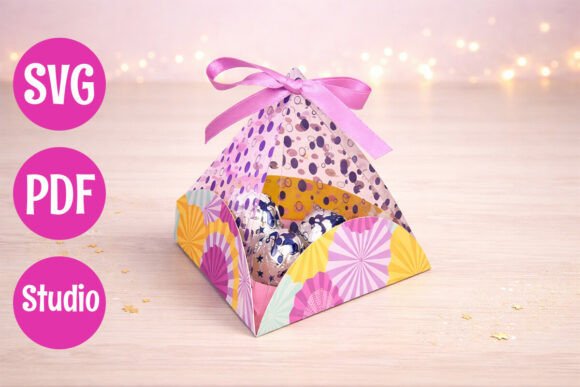
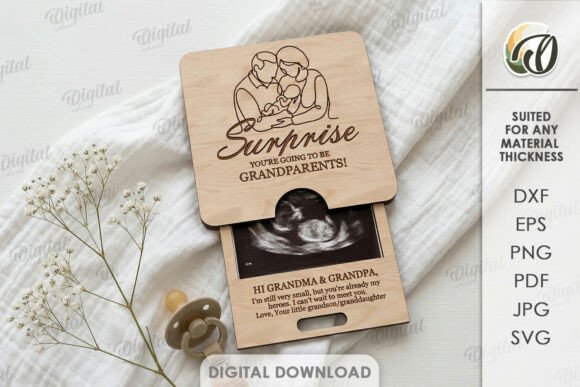
A 3D Surprise Holder is a specialized type of pop-up card or box mechanism. Unlike standard flat cards, these holders utilize layered paper engineering to create depth and dimension. When opened or activated, hidden compartments, shelves, or figures "pop" into view, delivering a delightful surprise to the recipient. The term "surprise holder" often refers to containers designed to hold small gifts, money, jewelry, or notes, with the added theatrical element of a mechanical reveal.
The significance of the 3D Surprise Holder lies in its ability to transform a simple gesture into a memorable experience. In a digital age where communication is often text-based and fleeting, receiving a tangible, mechanically complex object conveys effort, thoughtfulness, and creativity. It bridges the gap between modern technology—used to design the precise geometry—and traditional craftsmanship, resulting in a hybrid art form that appeals to both tech-savvy makers and nostalgic crafters.
The Power of Digital Fabrication
The creation of these holders relies heavily on precision. Hand-cutting complex geometric patterns for 3D structures can be time-consuming and prone to error. This is where laser cutting becomes indispensable. A laser cutter uses a high-powered beam to cut through materials like cardstock, acrylic, wood, or leather with sub-millimeter accuracy. This ensures that every tab, slot, and curve fits together perfectly without the need for excessive gluing or manual adjustment.
For the modern crafter, owning or having access to a laser cutter (or using a local service bureau) combined with high-quality digital files is a game-changer. It allows for scalability and consistency. You can produce dozens of identical, flawless surprise holders for a wedding party or a corporate event, something that would be nearly impossible to achieve by hand within a reasonable timeframe.
Understanding Your Digital Purchase
When you purchase the 3D Surprise Holder Laser Cut design, you are acquiring a versatile toolkit for creation. The package includes a single, meticulously crafted design available in multiple file formats to suit different software and hardware requirements. Understanding these formats is essential for ensuring compatibility with your specific workflow.
- SVG (Scalable Vector Graphics): Ideal for users of Silhouette Cameo, Cricut, or other vinyl cutters. SVGs are resolution-independent, meaning they can be resized without losing quality.
- DXF (Drawing Exchange Format): A widely supported vector format used by many CAD programs and laser cutting software. It is perfect for importing designs into CorelDRAW or AutoCAD.
- EPS (Encapsulated PostScript): Another robust vector format compatible with Adobe Illustrator and InDesign, offering high-fidelity rendering for professional printing or cutting.
- PDF (Portable Document Format): Useful for viewing the design layout and for printing instructions. Some laser software can also import PDFs directly, though vector formats are generally preferred for cutting paths.
- JPEG and PNG: Raster image files included for reference. These allow you to preview the design on screens or print out visual guides for assembly, but they cannot be used directly for laser cutting as they lack vector path data.
This variety ensures that regardless of whether you use a desktop CO2 laser, a fiber laser, or a electronic blade cutter, you have the appropriate file to get started. The inclusion of all these formats demonstrates a commitment to user accessibility and technical flexibility.
Practical Applications and Creative Possibilities
The versatility of the 3D Surprise Holder makes it suitable for a wide array of applications across personal, professional, and educational domains. Its adaptability is one of its strongest selling points, allowing for endless customization based on the theme, material, and occasion.
Home Decor and Personalized Gifts
One of the most popular uses for 3D Surprise Holders is in gifting. Imagine presenting a birthday gift inside a box that unfolds to reveal a miniature stage holding the present, or a Valentine’s Day card that pops open to display a 3D heart architecture. Because the design is digital, you can easily modify colors, add text overlays in your editing software, or scale the size to fit different items. Using materials like colored cardstock, vellum, or even thin plywood adds texture and visual interest, making each piece a unique work of art.
Office and Business Branding
In the business world, first impressions matter. A 3D Surprise Holder can serve as an innovative way to present business cards, discount vouchers, or welcome kits to new clients or employees. Instead of a plain envelope, imagine a sleek, laser-cut wooden or heavy-stock box that opens to reveal company branding in three dimensions. This level of detail signals attention to quality and creativity, leaving a lasting impression on stakeholders. For small businesses, producing these in-house with a laser cutter can also reduce packaging costs while increasing perceived value.
Education and STEM Learning
From an educational perspective, 3D Surprise Holders are excellent tools for teaching geometry, spatial reasoning, and engineering principles. Students can study the relationship between 2D templates and 3D structures, learning about angles, folds, and structural integrity. By analyzing the cut lines and fold lines in the SVG or DXF files, learners can gain hands-on experience with design software and manufacturing processes, fostering skills relevant to fields like architecture, industrial design, and computer-aided manufacturing (CAM).
Best Practices for Assembly and Success
To ensure your 3D Surprise Holder turns out beautifully, there are several best practices to keep in mind. First, always test your design on scrap material before cutting into your final choice of stock. Different materials react differently to laser power and speed settings. Cardstock may require lower power than acrylic, for instance. Experimenting with settings helps prevent burning, warping, or incomplete cuts.
Secondly, pay close attention to the assembly instructions. While the digital file provides the cutting paths, the folding sequence is critical for the mechanism to function correctly. Many laser cut designs include dashed lines indicating fold directions (mountain vs. valley folds). Following these cues precisely ensures that the parts interlock smoothly and the "surprise" element activates as intended.
Finally, consider finishing touches. Sanding edges on wood or applying sealants can enhance durability and appearance. Adding embellishments like ribbons, stamps, or digital prints can further personalize the holder. The key is to let the structure shine while adding layers of detail that reflect your unique style.
Common Misunderstandings Clarified
A frequent misconception among new buyers is assuming that the digital file comes with pre-assembled instructions or video tutorials. While some sellers provide extensive guides, this specific listing focuses on providing the core design files. Users are expected to have a basic understanding of their laser cutting software and assembly techniques. If you are a beginner, this project serves as a great learning opportunity, but it does require patience and practice.
Another assumption is that only expensive materials yield good results. In reality, the elegance of a 3D Surprise Holder comes from its geometry and precision, not necessarily the cost of the material. Standard cardstock can produce stunning results if cut cleanly and assembled carefully. Conversely, expensive materials will look poor if the cut lines are inaccurate. Therefore, focusing on machine calibration and software setup is more important than the price tag of your supplies.
Conclusion
The 3D Surprise Holder Laser Cut digital design represents a fusion of art, technology, and emotion. It empowers creators to produce high-quality, personalized items that resonate deeply with recipients. By providing access to multiple file formats and emphasizing the importance of precision and creativity, this digital tool supports a wide range of projects from intimate gifts to professional presentations.
As you embark on your crafting journey with this design, remember that the possibilities are truly endless. Whether you are refining your laser cutting skills, exploring new materials, or simply seeking a meaningful way to express care, this 3D Surprise Holder offers a rewarding canvas for your imagination. We encourage you to experiment, share your creations, and reach out with any questions. Happy shopping and happy creating!