Mastering the 3D Pyramid Box Template: A Comprehensive Guide to Geometric Packaging Design
In the evolving landscape of digital crafting and bespoke packaging, the demand for unique, structural design solutions has never been higher. Among the myriad of options available to hobbyists, educators, and professional designers, the 3D Pyramid Box Template stands out as a versatile and visually striking choice. This geometric form offers more than just aesthetic appeal; it provides a sturdy, three-dimensional structure that elevates standard gift-giving and product presentation into an art form. Whether you are looking to create party favors, luxury gift boxes, or educational models, understanding the mechanics and applications of this template is essential for achieving professional results.
The Anatomy of the Geometric Gift Box
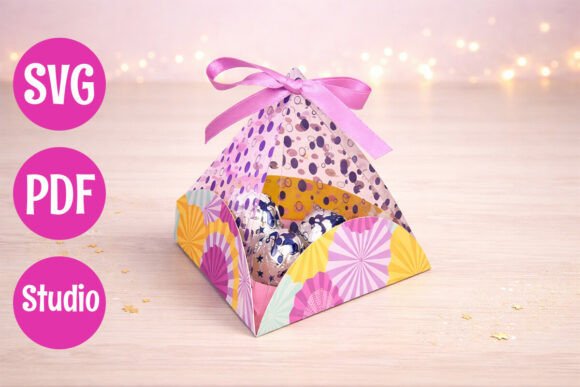
To fully appreciate the utility of a 3D Pyramid Box Template Geometric Gift Box with Base and Body, one must first understand its construction. Unlike traditional rectangular boxes that rely on simple folding and gluing of flat planes, a pyramid box introduces complex angles and intersecting lines. The design typically consists of two distinct components: the base and the body.
The base serves as the foundation of the structure. It is usually square or rectangular, providing a stable platform upon which the contents rest. The stability of the base is crucial, as it supports the weight of the item inside while maintaining the integrity of the overall shape. The body, conversely, comprises the four triangular faces that converge at a single apex. This convergence creates the iconic pyramid silhouette, offering a clean and elegant line that draws the eye upward.
This separation of base and body is not merely decorative; it is functional. It allows for easier assembly, as each section can be constructed independently before being joined. For users working with cutting machines like Cricut or Silhouette, this modular approach simplifies the workflow, reducing the likelihood of misalignment during the final assembly phase. The result is a sturdy three-dimensional object that feels substantial and high-quality in the hand.
Digital Precision and Material Compatibility
The success of any paper craft project hinges on the precision of its blueprint. The 3D Pyramid Box Template is designed specifically for digital fabrication, ensuring that every cut and score line is mathematically accurate. When you purchase this digital asset, you are receiving a comprehensive package that includes multiple file formats tailored to different software environments.
- SVG Files: These vector-based files are ideal for cutting machines. They allow for infinite scalability without loss of quality, ensuring that whether you are creating a small favor box or a large display piece, the edges remain crisp and precise.
- PDF Files: For those who prefer manual cutting with scissors or craft knives, the PDF version provides a printable guide. High-resolution printing ensures that the lines are clear, making it easier to follow score marks and cut lines accurately.
- Studio Files: Specifically formatted for Silhouette Studio users, these files often include pre-set layer structures and material settings, streamlining the design process and reducing setup time.
Understanding these formats is vital for both beginners and experienced creators. While SVGs offer automation and speed, PDFs provide accessibility for those without cutting machines. This versatility makes the template accessible to a broad audience, from classroom teachers preparing materials for students to small business owners producing limited-edition packaging.
Practical Applications Across Industries
The adaptability of the pyramid box design allows it to serve diverse purposes across various sectors. Its geometric elegance makes it suitable for formal events, while its sturdy construction supports practical storage needs.
Gifting and Retail Presentation
In the retail sector, unboxing experiences are critical. A standard cardboard box is functional but rarely memorable. By utilizing a 3D Pyramid Box Template, businesses can create a distinctive unboxing experience that reinforces brand identity. Imagine a jewelry store presenting a necklace in a sleek, pyramid-shaped container, or a boutique selling artisanal chocolates in a geometric box adorned with custom branding. The unique shape commands attention and suggests premium quality, encouraging customers to share their purchases on social media.
Party Favors and Event Decor
For event planners and hosts, the pyramid box offers a creative solution for party favors. Traditional goodie bags can appear generic, but a pyramid box adds a touch of sophistication to birthdays, weddings, or corporate retreats. Because the design is easy to assemble, it can be produced in bulk efficiently. Creators can use patterned scrapbook paper, metallic foils, or textured cardstocks to match the theme of the event. The open-top design (if left unsealed) also allows for the display of small treats or trinkets, making it both a container and a display piece.
Educational Tools
Educators and researchers often seek hands-on tools to explain complex concepts. The geometric nature of the pyramid box makes it an excellent resource for teaching geometry, spatial reasoning, and architectural principles. Students can explore the relationship between two-dimensional nets and three-dimensional solids by assembling the template themselves. This tactile learning experience helps reinforce mathematical concepts such as surface area, volume, and vertex counting. Furthermore, the assembly process develops fine motor skills and patience, making it suitable for learners of all ages.
Design Considerations and Best Practices
While the 3D Pyramid Box Template is user-friendly, achieving the best results requires attention to detail. Here are several key considerations for successful implementation.
Material Selection
The choice of paper or cardstock significantly impacts the final outcome. For intricate designs or smaller boxes, lighter weight papers may suffice, but they risk warping if handled roughly. Conversely, heavy cardstock provides durability but can be challenging to fold sharply without proper scoring. A general rule of thumb is to use paper between 180gsm and 300gsm for optimal balance between flexibility and rigidity. Experimenting with different textures—such as kraft paper for a rustic look or glossy laminate for a modern finish—can enhance the visual appeal.
Scoring and Folding
Proper scoring is perhaps the most critical step in assembly. Score lines should be pressed firmly but gently to create creases that fold cleanly without cracking the paper. Using a bone folder or a blunt tool can help achieve sharp, professional-looking folds. Pay special attention to the corners where the triangular bodies meet; precise alignment here ensures that the apex sits perfectly centered and the box stands level.
Adhesive Application
When joining the base to the body, or sealing the flaps, the type of adhesive matters. Glue sticks are convenient but may not provide enough hold for heavier materials. Liquid glue or double-sided tape offers stronger bonding and dries clearer. For a seamless finish, apply adhesive sparingly to avoid seepage through porous papers. Allowing sufficient drying time before handling the box ensures that the structure sets correctly and maintains its shape.
The Advantages of Digital Templates Over Traditional Methods
Choosing a digital template over drafting your own design from scratch offers several advantages. First, it saves time. Creating a mathematically accurate net for a pyramid box requires careful calculation of angles and dimensions. A well-designed template eliminates this guesswork, allowing creators to focus on decoration and customization.
Second, digital templates ensure consistency. If you need to produce fifty identical boxes for an event, using a template guarantees that each unit is exactly the same. This consistency is particularly important for branding, where uniformity reflects professionalism. Additionally, digital files can be easily resized. If a client requests a larger or smaller version of the box, the vector nature of the SVG file allows for scaling without distortion, providing flexibility that static physical patterns cannot offer.
Conclusion
The 3D Pyramid Box Template represents a fusion of artistic expression and technical precision. By leveraging digital tools and thoughtful design, creators can produce packaging that is both beautiful and functional. Whether used for commercial purposes, educational activities, or personal gifts, this geometric box template empowers users to elevate their projects with a modern, elegant touch. As the trend towards sustainable and handmade goods continues to grow, mastering such versatile templates will remain a valuable skill for anyone involved in crafting and design.