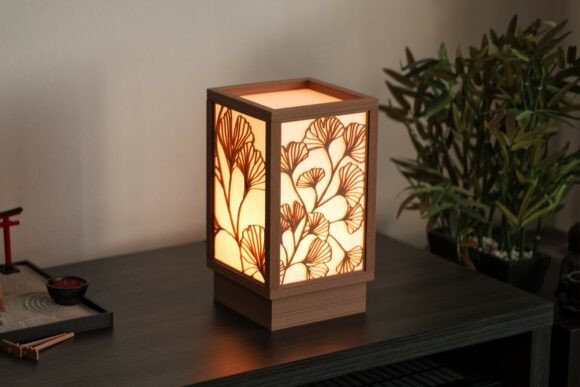
Ginkgo Line Art Lamp 3D Print with FDM Printers
Transforming your living space into a sanctuary of calm and aesthetic beauty often requires more than just painting walls or buying new furniture. It involves curating specific elements that resonate with a particular atmosphere, such as the serene and minimalist vibe of Japanese design. For enthusiasts of both interior design and additive manufacturing, the Ginkgo Line Art Lamp 3D Print with FDM Printers offers a unique solution. This project is not merely a light source; it is a statement piece that blends traditional Andon-style aesthetics with modern digital fabrication techniques. Whether you are looking to enhance a Manga corner or create a cozy reading nook, this lamp provides a practical, customizable, and visually striking accessory.
The Appeal of Japanese Andon-Style Design
At the heart of this project is the concept of the Andon, a traditional Japanese lantern. Historically used for illumination in temples, homes, and streets, the Andon is characterized by its wooden frame and translucent paper panels that diffuse light softly. The goal of incorporating this style into modern home decor is to evoke a sense of warmth, simplicity, and tranquility. However, sourcing authentic, high-quality Andon lamps can be expensive, difficult to find, or impractical due to shipping constraints.
This is where the Ginkgo Line Art Lamp 3D Print with FDM Printers shines. By utilizing 3D printing technology, you can replicate the structural integrity and visual charm of an Andon lamp without the need for complex woodworking skills or expensive materials. The design captures the essence of Japanese minimalism while offering the flexibility to customize every aspect of the lamp to fit your specific environment. The result is a piece that feels authentic yet distinctly modern, perfect for those seeking a cool accessory for their Manga corner or a subtle accent for a contemporary living room.
Design Features and Assembly Ease
One of the primary challenges in DIY lighting projects is the complexity of assembly and the reliance on adhesives. The Ginkgo Line Art Lamp 3D Print with FDM Printers addresses this by featuring a snap-fit design that allows for glueless assembly. This approach not only simplifies the construction process but also makes the lamp easier to disassemble for transport or storage. The parts are engineered to interlock securely, ensuring stability once the light bulb is installed.
A standout feature of this design is the one-piece light diffuser insert. In many traditional lamps, the diffuser is a separate component that must be carefully fitted. Here, the diffuser is integrated into the print, providing a seamless look and reducing the number of individual parts you need to handle. Additionally, the side panels offer a choice between different Ginkgo patterns. Ginkgo biloba leaves are a symbol of longevity and resilience in Japanese culture, and their delicate line art adds an organic, elegant touch to the geometric structure of the lamp.
Material Choices and Aesthetic Versatility
When considering how to bring the Ginkgo Line Art Lamp 3D Print with FDM Printers to life, material selection plays a crucial role in achieving the desired look. The 3D model is cleverly designed with wood grain textures built directly into the geometry. This means that even if you do not have access to specialized wood-filled filaments, the printed parts will still exhibit a wooden appearance through the use of standard PLA or PETG in earthy tones like beige, brown, or tan.
However, for those who wish to elevate the realism further, the design is optimized for wood filament. Wood filaments are composite materials made from plastic and real wood fibers, allowing for post-processing techniques such as sanding, staining, and varnishing. If you choose to print with wood filament, the tactile experience of the lamp will closely mimic that of a traditionally crafted wooden lantern. This versatility ensures that users at all levels of expertise can achieve a satisfying result, whether they prefer the convenience of standard plastics or the artisanal feel of wood composites.
Technical Specifications and Printing Considerations
To successfully complete the Ginkgo Line Art Lamp 3D Print with FDM Printers, it is essential to understand the technical requirements. The minimum required printer build volume is 250 x 250 x 250 mm (WxDxH). Most desktop FDM printers fall within this range, making the project accessible to a wide audience. However, users with smaller printers may need to split the model into multiple parts, which could affect the snap-fit assembly.
The provided 3MF file for Bambu Studio is pre-configured for optimal printing performance. It is set up for a 0.6 mm nozzle, which is recommended when using wood filament. A larger nozzle reduces the risk of clogging, a common issue with abrasive wood-filled materials, and speeds up the printing process. If you are printing with standard PLA or ABS using a 0.4 mm nozzle, the design remains compatible, though print times may be longer. Always ensure that your slicer settings account for the specific properties of your chosen filament, including temperature, retraction, and cooling.
Safety and Electrical Compatibility
Safety is paramount when dealing with any electrical device. The Ginkgo Line Art Lamp 3D Print with FDM Printers is designed to accommodate both E26 and E27 sockets, which are the standard screw bases in North America and Europe/Asia, respectively. Before purchasing bulbs, verify the socket type required for your local power grid. Furthermore, always check the voltage rating of the components to ensure compatibility with your household electricity supply.
To achieve the intended cozy ambient effect, it is highly recommended to use a warm white LED light bulb. LEDs run cooler than incandescent bulbs, reducing the risk of heat damage to the 3D printed parts, especially if you are using thermoplastics like PLA. The warm light will pass through the Ginkgo line art patterns, casting intricate shadows and creating a soft, inviting glow that enhances the Japanese aesthetic. Avoid high-wattage bulbs to prevent overheating and potential warping of the printed structure.
Practical Applications and User Outcomes
The Ginkgo Line Art Lamp 3D Print with FDM Printers serves multiple practical applications beyond simple illumination. For anime and manga fans, it acts as a thematic centerpiece that complements character displays or comic collections. Its subtle design does not overpower other items in the room but rather enhances the overall ambiance. For interior designers and homeowners, it offers a sustainable and customizable alternative to mass-produced lighting fixtures. You can adjust the color scheme, pattern density, and size to match existing decor.
Moreover, the ease of assembly and lack of glue make this project ideal for educational settings or collaborative builds. Teachers and hobbyists can demonstrate principles of mechanical design, material science, and cultural history simultaneously. The outcome is not just a functional lamp but a conversation piece that reflects the maker’s attention to detail and appreciation for cross-cultural design elements. By choosing this project, users gain a deeper understanding of how digital tools can bridge the gap between traditional craftsmanship and modern convenience.
Conclusion
In summary, the Ginkgo Line Art Lamp 3D Print with FDM Printers is a well-thought-out project that combines aesthetic appeal with technical accessibility. It addresses the needs of users seeking unique, culturally inspired decor by providing a printable solution that mimics traditional Andon lamps. With its snap-fit assembly, flexible material options, and safety-conscious design, it offers a rewarding experience for both novice and experienced 3D printing enthusiasts. By following the provided guidelines and selecting appropriate materials, you can create a stunning light fixture that brings warmth and style to any space.