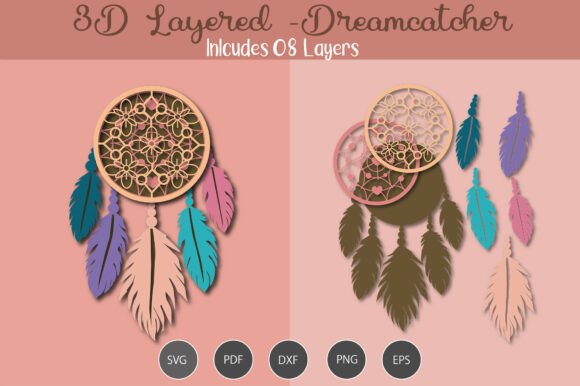
3D Layered Dreamcatcher
If you have spent any time browsing creative marketplaces or scrolling through social media feeds dedicated to DIY decor, you have likely encountered the term 3D Layered Dreamcatcher. It is not just a flat silhouette anymore; it is an architectural approach to wall art that uses depth, shadow, and repetition to create something that feels alive. When you purchase a digital file for this design, you are essentially buying the blueprint for a project that transforms a simple piece of paper or cardstock into a multi-dimensional object. The magic lies in the stacking. By cutting out identical shapes multiple times and layering them with small spacers—often made from foam tape or even folded cardboard—you create a solid, tangible form that catches light and casts intricate shadows.
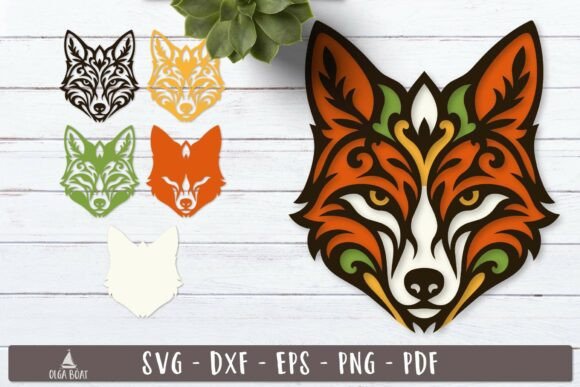
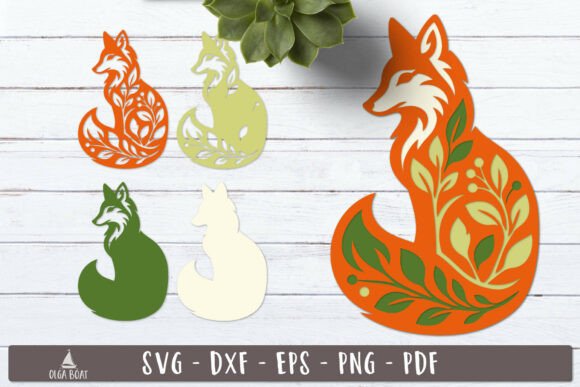
This specific listing offers a comprehensive toolkit for creating an eight-layer dreamcatcher. Why eight? Because eight layers provide enough density to look substantial without becoming too heavy or difficult to assemble. It strikes a balance between visual impact and structural integrity. You receive a zip file containing every format you might need: SVG for Cricut or Silhouette machines, DXF for laser cutters, PNG for printing, EPS for vector editing, and PDF for direct printing. This versatility means that whether you are a seasoned craft pro with a laser cutter or a beginner with a home printer, you can use this resource.
The Art of Dimensional Paper Craft
At its core, this project is about playing with perspective. A traditional dreamcatcher hangs flat against a wall, acting as a two-dimensional symbol. However, when you build the 3D Layered Dreamcatcher, you introduce volume. The layers act like pages in a book, but instead of reading text, your eye reads depth. This technique is incredibly popular in modern bohemian decor because it adds texture to a room without requiring bulky furniture or expensive installations. It turns a blank wall into a focal point that changes appearance depending on where the sunlight hits it throughout the day.
Consider the experience of unboxing your materials. You print the layers, carefully cut them out (or let your machine do the work), and then begin the assembly. There is a meditative quality to this process. It is not rushed. You apply adhesive to the back of each layer, ensuring perfect alignment before pressing down the next one. The result is a solid block of shape that feels rewarding to hold. It is no longer just a drawing; it is an object. This tactile satisfaction is a huge part of why these projects resonate with adults seeking a break from screen time and digital fatigue.
Real-World Applications and Decor Ideas
So, where does this eight-layer masterpiece fit best in a real home? The applications are surprisingly varied. For the nursery or child’s bedroom, it serves as a whimsical guardian. Parents often appreciate the symbolism of the dreamcatcher—filtering out bad dreams while letting good ones pass through—and the 3D aspect makes it more engaging for a curious toddler who likes to touch and explore. Unlike a fragile hanging mobile, a layered paper dreamcatcher mounted securely on the wall is sturdy and safe.
In a wedding setting, these files are gold mines for budget-conscious planners. Imagine using the SVG file to cut dozens of these dreamcatchers from white cardstock and hanging them at varying heights across a ceremony arch or reception entrance. The interplay of light and shadow creates a romantic, ethereal atmosphere that looks far more expensive than it actually is. Because you own the digital rights to print as many as you need, you can scale the project up instantly. No minimum order quantities, no shipping delays, just immediate creativity.
For the modern office worker, this decor item brings a sense of calm. Placing a smaller version on a desk shelf or mounting a larger one in a home office can serve as a visual anchor during stressful days. The geometric precision of the layers appeals to those who enjoy clean lines and organized spaces, while the organic curve of the dreamcatcher shape softens the environment. It bridges the gap between corporate minimalism and personal warmth.
Who Benefits Most From This Digital File?
The beauty of receiving a zip file with multiple formats is that it caters to different skill levels and toolsets. If you are a small business owner selling handmade goods, this file is a strategic asset. You can produce high-quality, consistent products quickly. The inclusion of both SVG and DXF files allows you to offer options to customers who prefer vinyl decals versus those who want wooden or acrylic laser-cut versions. You are not limited to paper; the vector paths guide your material choice.
For educators and parents, this is a fantastic STEM activity disguised as art. Building the 3D structure teaches spatial reasoning, patience, and fine motor skills. Discussing the geometry of the layers helps children understand how two-dimensional shapes can construct three-dimensional objects. It is a practical lesson in engineering wrapped in a beautiful cultural symbol.
Even interior designers find value here. While they may not cut the paper themselves, understanding the aesthetic potential of layered designs helps them advise clients on affordable ways to elevate a space. They can recommend hiring local artisans to execute the cut, providing the client with a unique, custom piece that cannot be found in big-box stores.
Practical Considerations Before You Start
While the concept is simple, achieving a professional finish requires attention to detail. Since you will be handling eight distinct layers, alignment is critical. If each layer is off by even a millimeter, the final product will look skewed rather than intentionally artistic. Using a lightbox or holding the paper up to a window can help you trace the outlines perfectly if you are cutting by hand. If you are using a cutting machine, ensure your blade is sharp and your mat is sticky enough to prevent shifting during the cut.
Material selection also plays a huge role in the final look. Standard copy paper might feel too flimsy for an eight-layer stack, potentially causing the edges to curl over time. Cardstock, particularly in heavier weights like 65lb or 80lb, provides better stability. For a more luxurious feel, consider using metallic foil paper for the outer layers and matte paper for the inner ones. This contrast enhances the 3D effect by highlighting the separation between layers. However, keep in mind that thicker materials require stronger adhesives. Double-sided foam tape is usually the go-to solution, but make sure it is thin enough not to distort the delicate details of the dreamcatcher web.
Another consideration is lighting. A 3D layered piece relies heavily on illumination to show off its depth. Positioning the dreamcatcher near a window or under a directional spotlight will maximize its visual impact. In flat, ambient light, the layers might merge together, losing some of their definition. Think about how you want the piece to interact with your room’s existing light sources before you mount it permanently.
Why Choose a Digital Download?
The decision to go digital comes down to convenience and customization. Physical products involve waiting periods, shipping costs, and the risk of damage during transit. With this instant download, you have immediate access to your creation. You can experiment with color combinations endlessly. Want to try a pastel palette for spring? Print it. Decided black and gold would look sharper for autumn? Print it again. There is no waste beyond the paper you choose not to use. You retain full control over the size, material, and finish of your 3D Layered Dreamcatcher.
This flexibility empowers you to adapt the design to your specific needs. Maybe you want to add glitter glue to the center. Maybe you want to paint the edges gold. The digital file is just the starting point; your imagination dictates the rest. It is a tool that grows with your skills, allowing you to start simple and gradually incorporate more complex techniques as you become more comfortable with paper crafts. Ultimately, it is about bringing a sense of handmade charm and personal touch into your world, one layer at a time.