Memories Photo Frame STL 3d Print
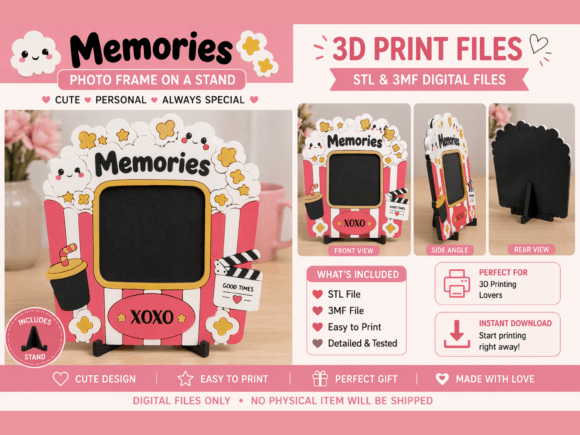
In the landscape of modern digital fabrication, the gap between a static design file and a tangible, personalized object has never been narrower. For hobbyists, small business owners, and creative professionals alike, the ability to transform a digital asset into a physical product is not just a novelty; it is a workflow capability. The Memories Photo Frame STL 3d Print represents a specific intersection of this trend: a functional, aesthetic tool designed for displaying personal or client work, built with the flexibility required for both personal use and commercial scaling.
This article explores the practical application of this specific STL design, moving beyond simple description to examine how it fits into broader processes such as gifting, inventory management for makers, and workspace organization. By understanding the technical specifications and the intended versatility of the design, users can integrate it seamlessly into their existing routines, whether that involves setting up a home office display, managing an Etsy shop, or simply curating a meaningful environment.
Understanding the Asset: From Digital File to Physical Object
The core of this project lies in the file structure provided. It is crucial to distinguish that the purchase is a digital download containing both STL and 3MF files. This dual-format approach caters to different levels of printing complexity and desired outcomes. The STL file is the industry standard for single-material, monochrome prints. It is universally compatible with almost all slicing software, making it the reliable baseline for users who prioritize speed and simplicity.
However, the inclusion of the 3MF file introduces a layer of sophistication relevant to those seeking higher-quality finishes. The 3MF format supports multi-color data directly within the model. For a popcorn-themed frame, this is significant. Instead of relying on post-print painting or manual filament swaps—which introduce risks of misalignment and increased labor time—the 3MF file allows the slicer to map colors to specific geometries automatically. This reduces setup time and ensures consistency across multiple prints, a critical factor for anyone producing batches of items for sale or gifts.
Technical Considerations for Implementation
Before initiating the print job, several technical factors must be addressed to ensure the final output meets quality standards. The design is explicitly noted as "tested and print-friendly," which suggests optimized wall thicknesses and structural integrity for standard FDM (Fused Deposition Modeling) printers. Nevertheless, preparation remains key.
- Slicer Configuration: Users should review the recommended settings in their chosen slicing software. While the design is robust, adjusting infill density based on the intended use case can save material without compromising strength.
- Scale and Proportion: One of the standout features of this design is its scalability. Users can resize the frame in their slicer to accommodate different photo dimensions. However, it is important to maintain aspect ratios to prevent distortion of the kawaii-style elements, particularly the text and decorative popcorn kernels.
- Support Structures: Due to the overhangs inherent in the popcorn shape, support structures may be necessary depending on the printer’s orientation capabilities. Planning the build plate orientation early can minimize support usage and reduce post-processing cleanup time.
Workflow Integration: Personal and Professional Use Cases
The utility of the Memories Photo Frame extends well beyond a single print. Its design encourages a modular approach to creativity and organization. Below are three distinct workflows where this asset adds value.
1. The Curated Workspace
For professionals working from home, visual cues play a significant role in mental separation between work and personal life. A desk or bedside table serves as a primary touchpoint. Using this frame to display a favorite memory creates a psychological anchor—a reminder of what lies outside the screen. The kawaii aesthetic softens the hard edges of technology, contributing to a more balanced environmental psychology. In terms of process, this is a low-effort, high-reward implementation. Once printed, the item requires no maintenance, fitting easily into long-term routine stability.
2. Small Business and Maker Economy
For entrepreneurs selling handmade goods, the barrier to entry for custom products is often the cost of prototyping. This design lowers that barrier. Because the STL is flexible, a seller can offer customization options without creating entirely new models. A customer might request a larger size for a 5x7 photo, or a specific color palette to match nursery decor. The seller utilizes the slicer’s scaling and coloring tools to meet these demands rapidly.
Furthermore, the commercial use rights allow for the sale of finished prints. This transforms the STL from a mere hobbyist file into a revenue-generating asset. To maximize efficiency, a maker might batch-print frames using varied filaments, then assemble them only after confirming orders. This lean inventory approach reduces waste and storage needs.
3. Gift Preparation and Personalization
In social workflows, gift-giving often involves last-minute stress. Having a library of pre-tested 3D models like this frame allows for rapid personalization. The user can select a photo, adjust the frame size in the slicer to fit, and print it shortly before a special occasion. The ability to mix and match colors adds a layer of thoughtfulness that mass-produced items lack. This process shifts the value proposition from the object itself to the time and care invested in its creation.
Customization and Adaptability in Design
A common pitfall in digital manufacturing is treating files as immutable. The Memories Photo Frame STL is designed to resist this rigidity. The prompt highlights the ability to turn the frame into a fridge magnet by adding magnet holes to the back. This illustrates a broader principle: design thinking in 3D printing is iterative.
Users comfortable with basic CAD modifications or even simple slicer adjustments can alter the base geometry. For instance, adding stand holes for vertical display or modifying the rear cavity for magnetic attachment expands the product’s utility. This adaptability means the initial acquisition of the file is just the starting point. The true value is unlocked when the user applies their own spatial reasoning to enhance the base model.
Material Selection Strategies
The choice of filament impacts both the aesthetic and the durability of the final piece. PLA is the standard for beginners due to its ease of printing and vibrant color range. However, for items that will see heavy handling or outdoor exposure, PETG offers greater thermal resistance and impact strength. ABS, while challenging to print due to warping, provides a professional matte finish. Selecting the right material aligns with the end-use context: a delicate shelf decoration versus a durable everyday carry item.
Quality Control and Post-Processing
Even with a "print-friendly" design, quality control is essential for a polished result. After the print completes, the following steps ensure the highest fidelity:
- Support Removal: Carefully remove any support structures using flush cutters or nippers. Smooth out any scuff marks with fine-grit sandpaper if a seamless finish is desired.
- Layer Line Inspection: Check for gaps or stringing, particularly around the intricate popcorn details. Minor imperfections can often be filled with epoxy or plastic welder.
- Assembly Verification: If the design includes separate pieces (such as a backing plate), test-fit them before final assembly. Ensure the photo sits flat and secure within the frame.
For those selling these items, packaging becomes part of the workflow. Including a small card explaining the origin of the design and care instructions adds perceived value. It reinforces the narrative of handmade craftsmanship, distinguishing the product from injection-molded alternatives.
Legal and Ethical Usage
A critical component of integrating third-party assets into a workflow is understanding licensing. The terms associated with this design are clear: commercial use is permitted for selling printed items, but reselling or sharing the digital file itself is prohibited. This distinction protects the creator’s intellectual property while empowering the buyer to monetize their labor and materials. Adhering to these terms is not just a legal requirement but also supports the ecosystem of designers who create these resources. Maintaining good standing in the maker community ensures continued access to high-quality assets.
Conclusion
The Memories Photo Frame STL 3d Print is more than a cute accessory; it is a versatile tool for digital fabrication. By leveraging both STL and 3MF formats, users can balance simplicity with advanced multi-color capabilities. Whether used to personalize a home office, streamline a small business operation, or prepare thoughtful gifts, the design offers flexibility that adapts to individual needs. Success lies in proper preparation, mindful customization, and respect for the underlying licensing agreements. When integrated thoughtfully, this asset enhances both the functionality and the emotional resonance of the spaces we inhabit and the businesses we build.